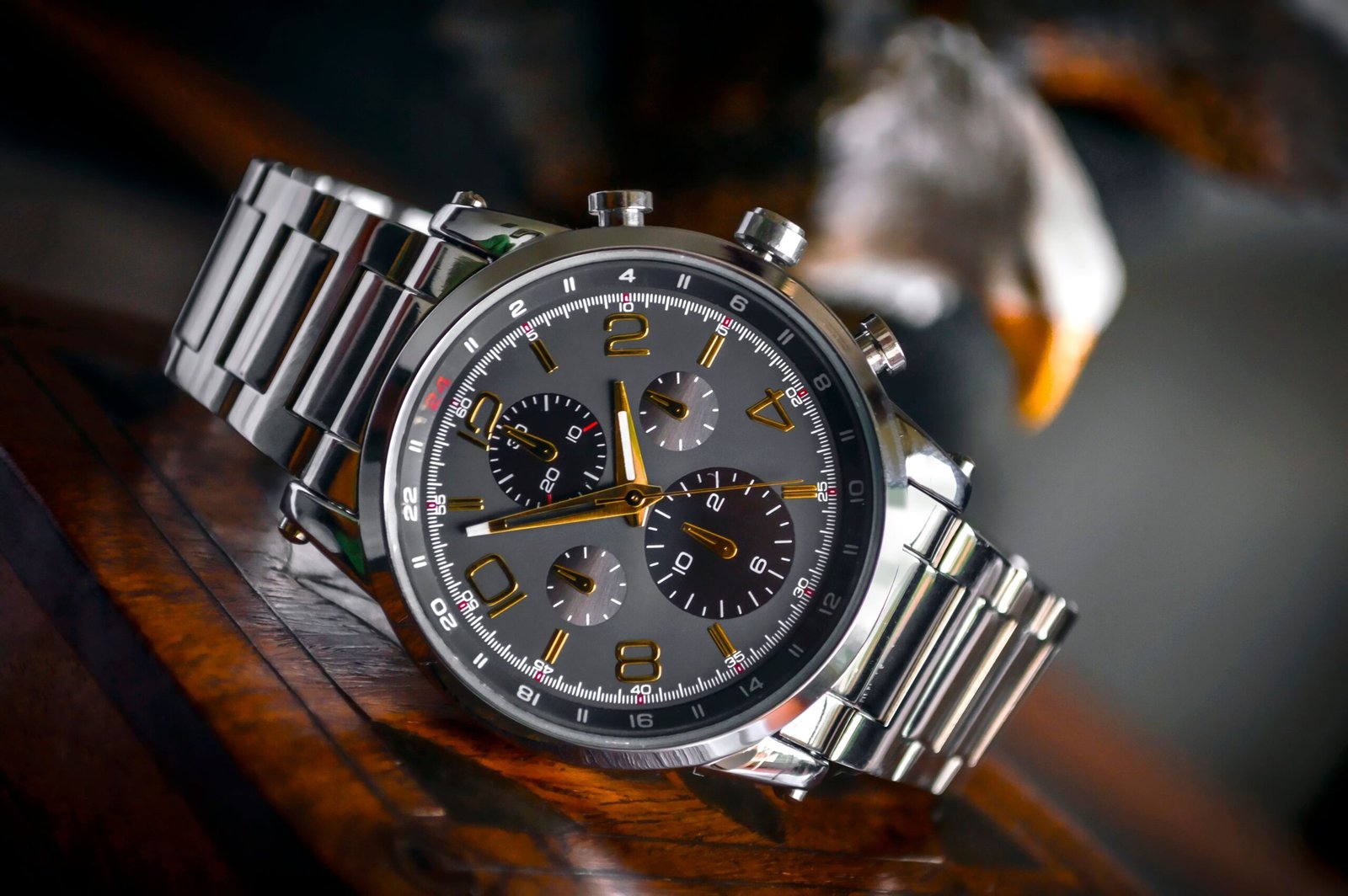
How to Evaluate a Luxury Watch: A Practical Guide for New and Aspiring Collectors
Most newcomers stumble into the world of high-end horology through iconic names like rolex watches, only to discover fairly quickly that evaluating a luxury timepiece involves far more than recognizing a familiar logo. With serious money on the line, the risks of overpaying, buying a poor fit, or encountering an outright counterfeit are all very real. What follows is a practical, brand-neutral framework, drawn from the habits of experienced collectors and watchmaking educators, to help you assess any high-end watch with genuine confidence.
What Actually Makes a Watch “Luxury”
Brand recognition is only one piece of the puzzle. A true luxury watch earns that designation through its craftsmanship, the quality of its materials, and the caliber of its movement. Sapphire crystal, high-grade stainless steel or precious metals, and meticulous hand-finishing are hallmarks worth understanding before you spend a cent.
Equally important is the movement, the engine ticking away inside the case. A mechanical movement (either hand-wound or automatic, where a rotor winds the mainspring through natural wrist motion) demands periodic servicing but is prized for its artistry and engineering. A quartz movement offers superior day-to-day accuracy and lower maintenance, though it tends to hold less appeal for serious collectors. Some movements carry a COSC chronometer certification, an independent standard confirming accuracy within tight, measurable tolerances.
Key Components to Inspect
Before evaluating any specific watch, it helps to get comfortable with its core components:
- Case and bezel: Material, finishing quality, and resistance to everyday wear.
- Crystal: Sapphire resists scratches far better than mineral or acrylic alternatives.
- Dial and hands: Clarity, finishing quality, and the luminous material used.
- Movement: Reliability, service intervals, and long-term parts availability.
- Bracelet or strap and clasp: Comfort, durability, and ease of adjustment.
Note: Always cross-reference specifications against official documentation or trusted reference sources; seller descriptions alone are rarely sufficient.
A Practical Evaluation Framework
Start with your purpose and budget. Are you buying for daily wear, formal occasions, or long-term collecting? One of the most common mistakes new buyers make is purchasing purely with investment in mind. There’s a telling example that circulates in collector circles: someone buys a limited-edition piece expecting strong returns, only to realize the watch doesn’t suit his lifestyle at all. It’s a useful reminder that personal enjoyment should be the primary driver. Future resale value is genuinely uncertain and should never be treated as a sure thing.
Assess design and wearability. Pay close attention to case size, lug-to-lug distance, and how the watch actually sits on your wrist after a full day, not just during those first five minutes in a boutique. A watch that photographs beautifully but feels awkward by mid-afternoon is a poor long-term companion, no matter how impressive it looks on paper.
Examine the movement and complications. A complication is any function beyond basic timekeeping, such as a date display, chronograph, or GMT hand, for instance. More complications don’t inherently mean a better watch; they mean greater mechanical complexity and, often, higher servicing costs down the road. Make sure any complications you’re paying for actually match your daily needs.
Verify authenticity rigorously. Luxury watches rank among the most frequently counterfeited goods in the world. Never purchase a high-value watch without verifying its authenticity through documentation and trusted sources. Check serial and reference numbers against official records, compare dial printing and engravings to verified reference images, and review the complete service history. Red flags include suspiciously low pricing, missing paperwork, and finishing details that don’t quite add up. When in doubt, consult an independent, certified watchmaker.
Navigating the Buying Channels: Where to Purchase
Navigating the complex landscape of watch sellers is just as crucial as evaluating the timepiece itself. Purchasing directly from an Authorized Dealer (AD) or a brand boutique offers the highest level of security. Here, you are guaranteed absolute authenticity, a full manufacturer’s warranty, and the opportunity to build a buying history that might eventually grant you access to highly coveted, waitlisted models. However, this peace of mind comes at a premium, as you will generally be paying the full retail price.
For those seeking discontinued models, vintage charm, or better value, the pre-owned market is a fantastic alternative. Buying second-hand allows collectors to bypass initial retail depreciation and access a much wider variety of references. The golden rule here is to “buy the seller, not just the watch.” You must thoroughly vet the dealer’s reputation, insist on a clear return policy, and prioritize complete sets that include the original box and papers, which significantly help in preserving the watch’s long-term value.
Finally, buyers will inevitably encounter the gray market: unauthorized dealers selling genuine, brand-new watches, often at a significant discount. While the price tags can be highly tempting, it is important to understand the trade-offs. Because gray market dealers are not part of the brand’s official network, the manufacturer’s warranty is typically voided and replaced by a dealer-backed guarantee. If a complex mechanical issue arises, you may find yourself without official factory support, making this a channel best reserved for experienced collectors who fully understand the associated risks.
Long-Term Ownership and Value
Mechanical watches typically need professional servicing every several years: lubrication, calibration, and a general overhaul. Quartz watches require battery replacements and periodic seal checks. Maintaining thorough service records protects both the watch’s longevity and its transparency on the secondary market. Speaking of which, supply and demand on the secondary market can shift values in unpredictable ways, which makes long-term enjoyment a far more reliable return on your investment than speculative profit ever will be.
Choosing with Confidence
The right luxury watch is one that genuinely fits your lifestyle, your tastes, and your budget, not whatever happens to be generating the most buzz at the moment. Use the steps above as a working checklist, handle watches in person whenever possible, and build your knowledge steadily through reputable publications, enthusiast communities, and qualified professionals. An informed collector is always better positioned than an impulsive one.